
Planning a wedding means making countless decisions, and one of the biggest questions couples face is whether to choose an all-inclusive package or hire separate vendors. Whether an all-inclusive wedding is cheaper depends on your specific needs, guest count, and priorities, as these packages can offer better value in some situations but not in others. The answer isn’t the same for every couple.

Is it cheaper to do an all-inclusive wedding? All-inclusive weddings bundle services like catering, decorations, and entertainment into one package. This approach can save you time and reduce stress during wedding planning. However, the cost savings aren’t automatic, and you need to understand what factors affect the final price.
This article breaks down the real costs of all-inclusive weddings compared to traditional weddings. You’ll learn about hidden fees to watch for, how destination weddings fit into the equation, and what benefits or drawbacks you should consider. By the end, you’ll have the information you need to decide which option makes the most sense for your budget and vision.
What Is an All-Inclusive Wedding?
An all-inclusive wedding bundles multiple services and vendors into one package at a single venue. These packages simplify planning by reducing the number of decisions you need to make and vendors you need to coordinate with.
Definition and Common Features
An all-inclusive wedding package combines essential wedding services under one contract with a single venue. You pay one price that covers most or all of your wedding needs. The venue handles vendor coordination and logistics on your behalf.
Most all-inclusive packages include a reception site, catering services, tables, chairs, and linens. You work with an on-site wedding coordinator who manages the details and timeline. This approach eliminates the need to research, book, and communicate with multiple separate vendors.
The main feature that defines all-inclusive venues is convenience. Everything comes together in one location with one point of contact. You typically choose from preset menu options and decor styles rather than starting from scratch.
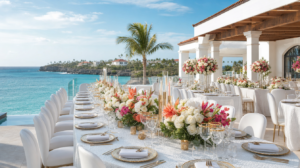
Services Included in Packages
Standard all-inclusive wedding packages cover the venue rental, food service, and basic table settings. Your catering usually includes appetizers, a multi-course meal, and a cake or dessert option. Bar service with alcoholic and non-alcoholic beverages is often part of the package.
Many packages extend beyond these basics. Some venues include a DJ or live music, floral arrangements, and photography services. Linens, centerpieces, and ceremony setup frequently come standard.
An on-site wedding coordinator is typically assigned to your wedding. This person handles vendor communication, creates your timeline, and manages day-of logistics. Some venues also provide ceremony officiant services or can recommend one.
Types of All-Inclusive Wedding Venues
Banquet halls are the most common type of all-inclusive venue. They focus primarily on receptions and offer flexible space configurations with in-house catering.
Hotels and resorts provide ceremony and reception spaces along with guest accommodations. These venues often include welcome events and post-wedding brunches in their packages.
Country clubs combine elegant facilities with outdoor ceremony options. They typically feature upscale dining and bar services as part of their all-inclusive offerings.
Other all-inclusive venues include historic estates, barns, and dedicated wedding centers. Each venue type offers different aesthetics and service levels, but all follow the same principle of bundling services into comprehensive wedding packages.
Comparing the Costs: All-Inclusive vs Traditional Weddings

All-inclusive wedding packages typically cost between $10,000 and $20,000, while traditional wedding venues start around $5,000 for space rental alone but require separate payments for each service. The total expense depends on how costs are structured and what services you need to purchase separately.
Price Structure and Transparency
All-inclusive wedding venues give you a single flat fee that covers multiple services under one contract. Your wedding budget becomes easier to manage because you see exactly what you’re paying upfront. Traditional wedding venues charge a base rental fee, then you add costs for catering, decorations, and other services separately.
This difference matters when you track expenses. With traditional venues, you’ll negotiate separate contracts for your wedding planner, caterer, florist, and entertainment. Each vendor adds their own service fees, taxes, and gratuities. All-inclusive packages bundle these costs together, but you still need to watch for hidden charges like upcharges for premium alcohol or extra decorations.
The transparency varies by venue type. Some all-inclusive packages clearly list every included service, while others hide fees in fine print. Traditional venues let you see each cost separately, which gives you more control but requires more math to calculate your total wedding budget.
Real-Life Pricing Examples
One couple paid $15,000 for an all-inclusive venue that covered catering for 100 guests, decorations, and a DJ. They stayed within budget and avoided vendor coordination stress. Another couple chose a traditional venue for $6,000 but spent $22,000 total after adding catering, decor, and entertainment separately.
A third couple found an all-inclusive winter special for $12,000 that included upgraded bar service and a wedding coordinator. Their final cost came in lower than expected because the package covered services that would have cost more individually.
Traditional weddings can exceed $30,000 when you hire separate vendors for each service. Some destination all-inclusive wedding packages start at $5,000 for beachfront ceremonies with basic services included.
Breakdown of Included and Excluded Services
Typically Included in All-Inclusive Packages:
- Venue rental for ceremony and reception
- Full catering with appetizers and entrees
- Basic bar service
- Standard decorations and linens
- Wedding coordinator or planner
- Tables and chairs
Common Exclusions and Extra Costs:
- Premium alcohol selections
- Custom floral arrangements
- Professional photography
- Videography services
- Live entertainment upgrades
- Specialty lighting or equipment
Traditional wedding venues usually provide only the space. You arrange everything else through separate vendors. This gives you more flexibility to choose specific services but increases planning time. Some traditional venues require you to use their preferred caterer, which limits your options but simplifies coordination.
All-inclusive wedding packages reduce the number of decisions you make but may restrict customization. You’ll work with the venue’s existing vendors rather than selecting your own wedding planner or entertainment.
Hidden Fees and Potential Extra Costs

All-inclusive wedding packages often advertise a single price, but many couples discover unexpected charges as they plan their celebration. Service charges, customization requests, and contract details can add thousands of dollars to your initial quote.
Common Add-On Charges
All-inclusive venues typically charge extra for services outside their standard package. Corkage fees apply when you bring your own alcohol, often ranging from $15 to $50 per bottle. Cake-cutting fees can cost $2 to $5 per guest if an outside baker provides your dessert.
Overtime charges kick in when your reception runs past the contracted hours. Most venues charge $200 to $500 per additional hour. Setup and breakdown fees may apply if you need access to the space before or after your allotted time.
Service charges and gratuity often appear as separate line items. These fees usually add 18% to 25% to your food and beverage costs. Tax comes on top of these charges in most locations.
Customization and Upgrade Fees
The basic all-inclusive wedding package includes standard options, but personalization costs extra. Premium menu selections typically add $20 to $75 per guest. Specialty linens, chair covers, and upgraded centerpieces can increase costs by $500 to $2,000.
Enhanced bar packages with top-shelf liquor or craft cocktails raise prices by $10 to $30 per person. Lighting upgrades, custom signage, and additional floral arrangements fall outside most standard packages. Your wedding coordinator may quote these items separately during planning meetings.
Extended photography hours, videography services, and photo booth additions often carry individual price tags. Even small changes like switching from round tables to long farmhouse tables can trigger additional fees.
Understanding Contracts and Fine Print
Your contract with all-inclusive venues contains important details about what counts as included versus extra. Read every line item carefully before signing. Ask your wedding coordinator to clarify any vague language or terms like “standard package” or “basic setup.”
Minimum guest counts often apply to package pricing. Falling below this number may result in fees to meet the venue’s revenue requirements. Seasonal pricing variations mean your wedding date affects your total cost.
Cancellation policies, payment schedules, and deposit requirements differ widely between venues. Some contracts include automatic price increases if you book far in advance. Request a detailed itemized quote that lists every service, product, and potential additional charge before making your final decision.
Factors That Influence Wedding Costs
The price of your wedding depends on several key elements that affect both all-inclusive packages and traditional weddings. Guest count, location, and how much you want to customize your event all play major roles in your final costs.
Guest Count and Per-Person Pricing
Your guest list directly impacts your wedding budget more than almost any other factor. All-inclusive wedding venues typically charge between $100 to $300 per person, which covers food, drinks, and basic services.
A wedding with 50 guests costs significantly less than one with 150 guests. For example, at $150 per person, a 50-guest wedding costs $7,500 while a 150-guest wedding reaches $22,500.
Wedding packages often include tiered pricing based on guest count. Larger groups may get better per-person rates, but your total cost still increases. You need to balance your desire for a big celebration with your budget limits.
Some venues set minimum guest requirements, especially during peak seasons. This means you might pay for more guests than you actually invite to meet the venue’s requirements.
Venue Location and Seasonality
Where you get married affects your costs dramatically. Popular destinations like beach resorts in Hawaii or Mexico charge premium rates compared to venues in smaller cities or rural areas.
Peak wedding season runs from May through October in most areas. Booking during this time can increase your costs by 20% to 40%. Winter and early spring weddings often come with discounted rates and special packages.
Peak Season Considerations:
- Higher venue rental fees
- Limited availability requiring early booking
- Increased vendor rates across the board
- More competition for preferred dates
Off-season weddings at all-inclusive venues can save you thousands of dollars. Many resorts offer winter specials or weekday discounts that reduce the overall package price. Location also determines travel costs for you and your guests.
Level of Personalization and Flexibility
Wedding packages typically offer set menus, decor options, and vendor choices. The more you want to customize, the more you’ll pay in upgrades and add-ons.
Standard all-inclusive packages work well if you’re flexible about details like menu choices, flowers, and music. These base packages keep costs lower because venues use their preferred vendors and established systems.
Custom requests add up quickly. Bringing in your own photographer, selecting premium bar options, or requesting special decor can add $2,000 to $10,000 to your total. Traditional wedding venues give you more freedom to choose vendors but require more coordination.
Some couples find that wedding packages limit their creativity. Others appreciate the simplicity and cost savings of working within set options. Your personality and priorities determine which approach fits your needs better.
All-Inclusive Destination Weddings and Affordability
Destination weddings at all-inclusive resorts often cost less than traditional weddings while combining your ceremony, reception, and vacation in one place. The key to affordability lies in choosing the right destination and understanding what’s included in your package.

Affordable Destination Options
Mexico and the Caribbean offer the most budget-friendly options for destination weddings. Cancun, Riviera Maya, and Punta Cana are popular because flights from most US cities are cheap and quick.
Jamaica and Costa Rica also provide affordable packages at all-inclusive venues. These destinations have lower costs for food, drinks, and services compared to US-based weddings. Many resorts in these areas offer wedding packages under $5,000 for small groups.
Florida destinations like Orlando and the Gulf Coast work well if you want a destination feel without international travel. The high number of resorts in these areas creates competition that keeps prices down.
Puerto Vallarta and Los Cabos in Mexico provide beautiful beach settings with competitive pricing. Dominican Republic resorts often run promotions that make them extremely affordable for couples on tight budgets.
What Destination Packages Include
All-inclusive wedding packages bundle most of what you need into one price. Your package typically covers the ceremony setup, basic decorations, wedding coordinator services, and marriage officiant.
Most packages include a wedding cake, bouquet and boutonniere for the couple, and chairs for guests. You’ll also get a cocktail hour with appetizers and drinks, plus a reception dinner with an open bar.
An on-site wedding coordinator handles logistics and works with resort vendors. This service alone saves you thousands compared to hiring an independent planner. Some resorts throw in extras like a couples massage, champagne toast, or professional photos.
Common Package Inclusions:
- Ceremony location and setup
- Basic floral arrangements
- Wedding cake
- Cocktail hour with hors d’oeuvres
- Reception dinner and open bar
- Tables, chairs, and linens
- Sound system for ceremony
- On-site wedding coordinator
The more room nights your guests book, the more perks you receive. Many resorts offer free upgrades, rehearsal dinners, or extra events when your group reaches certain room minimums.
Travel, Accommodation, and Honeymoon Savings
Your honeymoon is already included since you’re at a resort. You don’t need to plan or pay for another trip after your wedding. This saves you $3,000 to $5,000 on average.
All-inclusive resorts mean your guests pay one price for rooms, food, and drinks. This makes budgeting easier for everyone attending your wedding. Many resorts offer group rates that reduce the per-person cost when you book multiple rooms.
Shorter travel distances to Mexico and the Caribbean keep flight costs low. Round-trip tickets often run $300 to $600 per person from major US cities. You can share travel tips and group booking discounts through your wedding website.
Guest accommodations double as the reception venue, so you’re not paying separately for a ceremony site and hotel rooms. Some resorts give the couple a free or upgraded room when your group books a minimum number of nights.
Key Benefits and Drawbacks of All-Inclusive Weddings
All-inclusive wedding packages reshape how you approach wedding planning by bundling services into single agreements. These arrangements reduce vendor coordination but limit your ability to handpick each element of your celebration.
Time and Stress Management
All-inclusive wedding venues cut your planning timeline significantly. You can select your menu, book your space, and arrange table settings in one meeting instead of scheduling separate appointments with caterers, rental companies, and venue managers.
The built-in wedding planner at most all-inclusive sites knows the property’s layout and schedule. This person guides you through decisions without requiring you to explain your venue’s specific rules to outside vendors. You won’t spend weeks researching delivery fees, comparing quotes, or checking vendor availability.
Key time-saving elements include:
- Pre-set vendor relationships eliminating research time
- Bundled services reducing contract negotiations
- On-site coordinators familiar with venue logistics
- Simplified communication through single point of contact
For destination weddings, this convenience becomes even more valuable. You can plan an entire celebration without visiting the location multiple times or vetting unfamiliar local vendors.
Trade-Offs in Customization
All-inclusive packages limit your vendor choices. If you want the bakery from your first date to create your wedding cake, most all-inclusive venues won’t allow outside vendors without substantial fees.
Your options for decorations, table linens, and the wedding arch typically come from the venue’s existing inventory. The venue might offer three linen colors when you envisioned a specific shade that matches your theme perfectly. Menu selections follow predetermined options rather than fully custom dishes.
Some venues allow you to bring personal touches like centerpieces, signs, or small decorative items. Check your contract to understand which customization elements require approval or additional charges. Couples seeking highly personalized celebrations often find these restrictions frustrating.
Value Versus Experience
All-inclusive wedding packages may cost less than booking separate vendors. Venues eliminate delivery fees since supplies stay on-site, and bundled pricing often beats individual vendor rates.
However, the quoted price needs scrutiny. A $10,000 flat fee for 50 guests might seem expensive until you calculate separate costs for venue rental, catering, tables, chairs, linens, and bar service.
Hidden costs to watch:
- Upgraded menu selections
- Premium linens or decorations
- Extended bar service hours
- Additional rental items not in base package
The value depends on your priorities. If you care most about having a celebration without planning stress, all-inclusive pricing makes sense. If you want specific vendors or unique details, paying separately for each element gives you control worth the extra expense.
Frequently Asked Questions
Is It Cheaper to Do an All-Inclusive Wedding?
All-inclusive wedding packages offer bundled pricing that can reduce costs by $10,000 or more compared to DIY planning. The actual savings depend on your guest count, location, and how much customization you need.
What are the cost benefits of choosing an all-inclusive wedding package?
All-inclusive packages bundle multiple services at a discounted rate. You pay one price for venue rental, catering, staff, tables, chairs, linens, and basic décor instead of paying each vendor separately.
This bundling typically saves you money because venues negotiate bulk pricing with their suppliers. You also avoid vendor markups that come with booking services individually.
You get predictable costs from the start. This makes budgeting easier and helps you avoid surprise expenses that often appear in DIY weddings.
How does the price of an all-inclusive wedding compare with a la carte wedding options?
For a 100-guest wedding, all-inclusive packages often cost $10,000 to $15,000 less than booking everything separately. The savings come from bundled vendor rates and included services like setup and cleanup.
A la carte weddings give you more control over each detail. However, you’ll pay individual vendor fees, rental costs, and service charges that add up quickly.
DIY weddings also require you to manage multiple contracts and coordinate between different vendors. This takes significant time and can lead to unexpected costs if something goes wrong.
What factors should be considered when determining the affordability of an all-inclusive wedding?
Your guest count directly affects the total cost. Most all-inclusive venues price packages per person, so a smaller wedding will cost less.
The level of customization you want matters too. Basic packages include standard décor and services, while upgrades for premium options add to your costs.
Your location plays a major role in pricing. All-inclusive venues in major cities cost more than those in smaller markets or rural areas.
Consider what’s actually included in the package. Some venues bundle photography and entertainment, while others charge extra for these services.
Does opting for an all-inclusive wedding package save money in the long run?
All-inclusive packages usually save you money compared to DIY planning. You avoid hidden fees like vendor minimums, corkage charges, and rental costs for basic items.
You also save on staffing expenses. All-inclusive venues provide setup, service, and cleanup staff as part of the package.
The time you save has value too. DIY weddings require months of research, negotiations, and coordination that all-inclusive packages handle for you.
How can location impact the cost-effectiveness of an all-inclusive wedding?
Destination weddings at all-inclusive resorts often cost less than traditional home weddings. Couples typically spend under $10,000 for destination weddings in Mexico or the Caribbean.
Local venue prices vary by region. All-inclusive packages in expensive metro areas cost more than similar packages in less populated regions.
Your location affects guest attendance, which changes your per-person costs. Destination weddings typically have smaller guest counts, reducing your overall expenses.
Travel and accommodation costs shift to your guests at destination weddings. This reduces your hosting expenses but may limit who can attend.
Are there hidden costs associated with all-inclusive wedding packages?
Package limitations create the most common hidden costs. Basic packages include standard décor, so custom upgrades cost extra.
Some venues restrict you to their preferred vendors. If you want to bring in outside photographers or caterers, you might pay additional fees.
Alcohol packages vary widely between venues. Some include beer and wine only, while premium liquor requires an upgrade.
Guest count minimums can increase your costs. If your wedding falls below the minimum, you still pay for the required number of guests.
Always ask for an itemized list of what’s included and what costs extra. This helps you compare packages accurately and budget for any additions you want.